


Call us today! (704) 873-1092

What Is Montessori?


Maria Montessori

Maria Montessori was an Italian physician, educator, and innovator, acclaimed for her educational method that builds on the way children naturally learn.  She opened the first Montessori school—the Casa dei Bambini, or Children’s House—in Rome on January 6, 1907. Subsequently, she traveled the world and wrote extensively about her approach to education, attracting many devotees. There are now more than 22,000 Montessori schools in at least 110 countries worldwide.
The Montessori Method

The Montessori Method of education, developed by Dr. Maria Montessori, is a child-centered educational approach based on scientific observations of children from birth to adulthood. Dr. Montessori’s Method has been time tested, with over 100 years of success in diverse cultures throughout the world.

It is a view of the child as one who is naturally eager for knowledge and capable of initiating learning in a supportive, thoughtfully prepared learning environment. It is an approach that values the human spirit and the development of the whole child—physical, social, emotional, cognitive.

Living Montessori — Stephen Curry & Family

Montessori Learning Materials

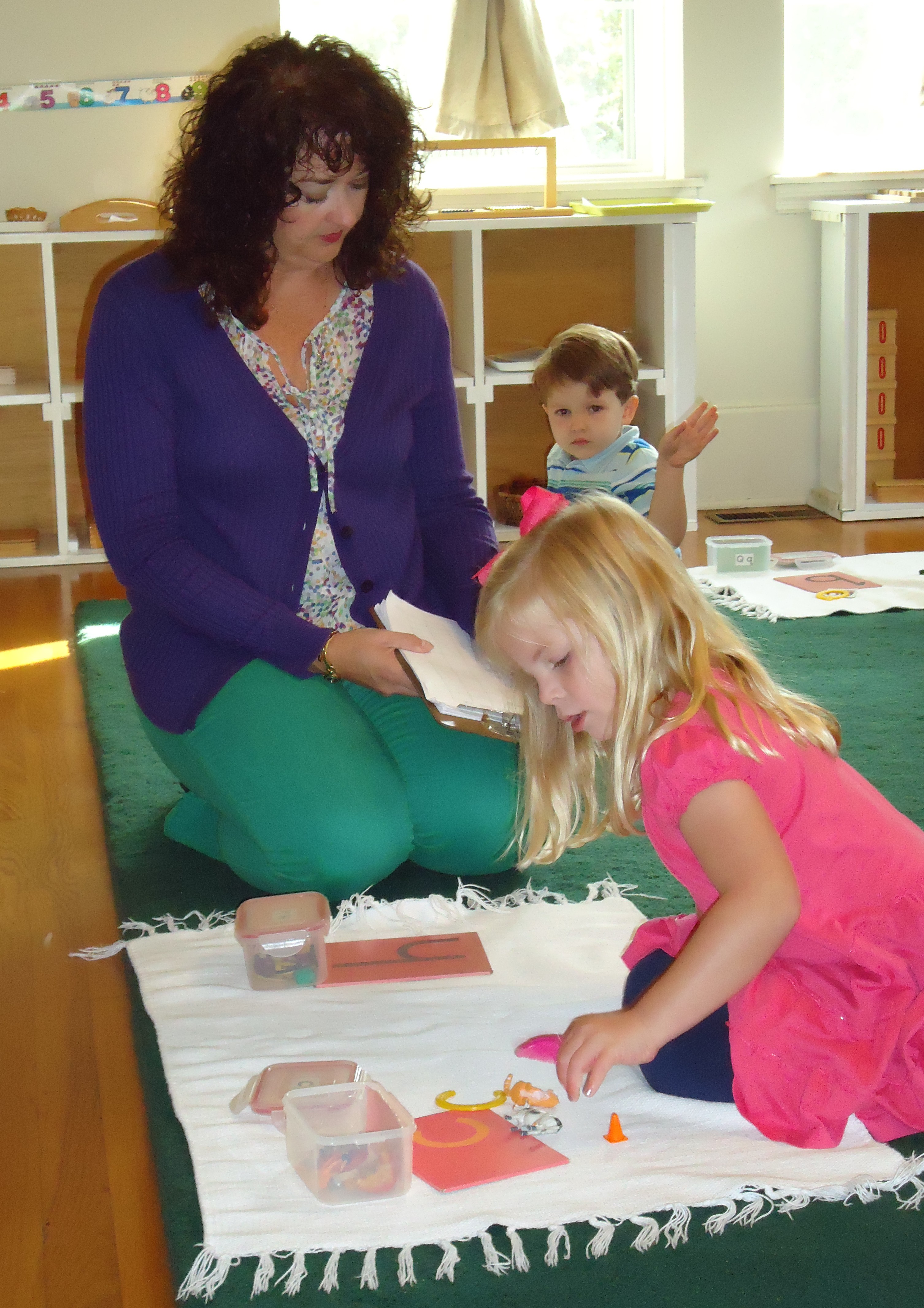
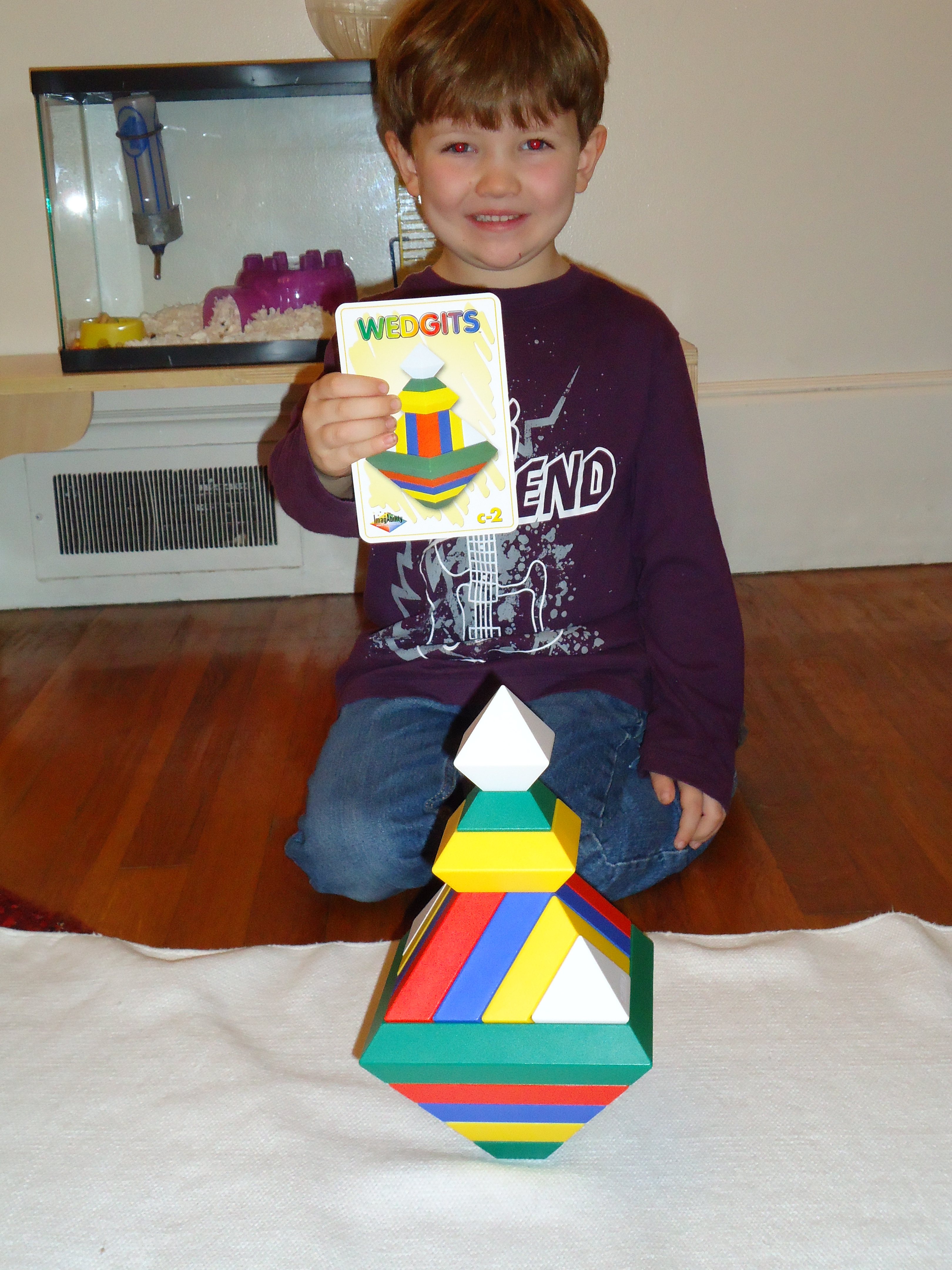
For students of every age, the Montessori environment offers the tools to discover the answers to their own questions. The teacher is their trusted ally and the learning materials are their tools for discovery, growth, and development. The teacher stays with the students for the entire span of their multi-age grouping, usually 2 or 3 years, nurturing each child’s development over that extended span of time.

Elementary and high school materials build on the earlier Montessori materials foundation. Because older students have built a solid foundation from their concrete learning, they move gracefully into abstract thinking, which transforms their learning. Now they learn how to carry out research. At these upper levels, students broaden their focus to include the community and beyond. They learn through service and firsthand experience.

 (Courtesy of the American Montessori Society) 

Hallmarks of Montessori

• Multiage groupings that foster peer learning
• Uninterrupted blocks of work time
• Guided choice of work activity

Benefits of Montessori

• Each child is valued as a unique individual
• Montessori students develop order, coordination, concentration, and independence
• Students are part of a close, caring community
• Montessori students enjoy freedom within limits
• Students are supported in becoming active seekers of knowledge
• Self-correction and self-assessment are an integral part of the Montessori classroom approach